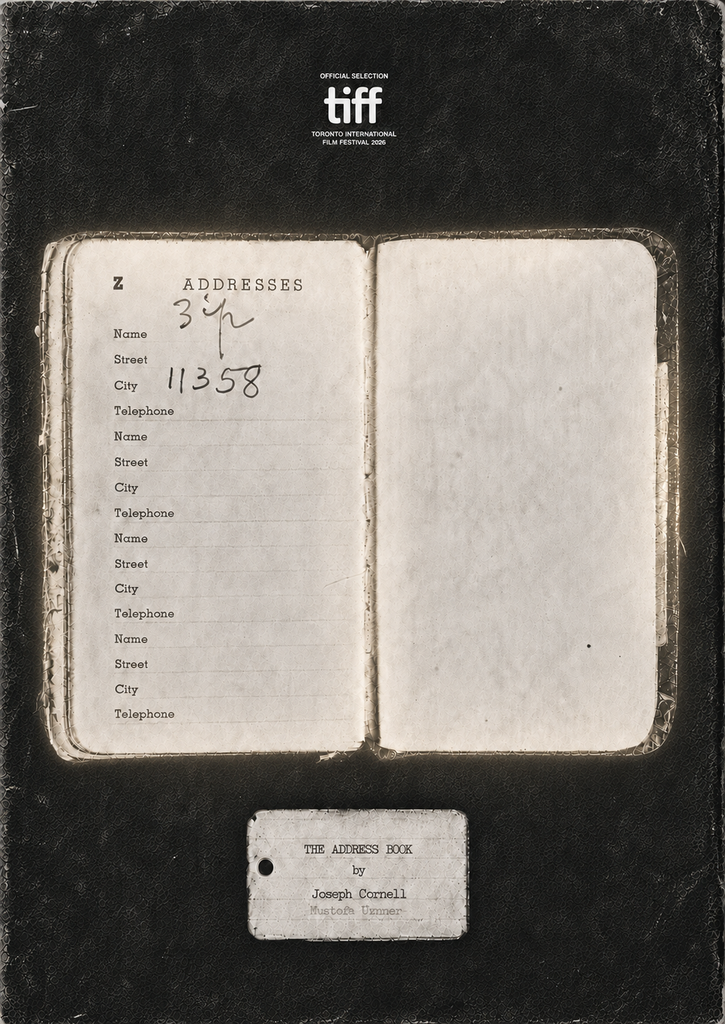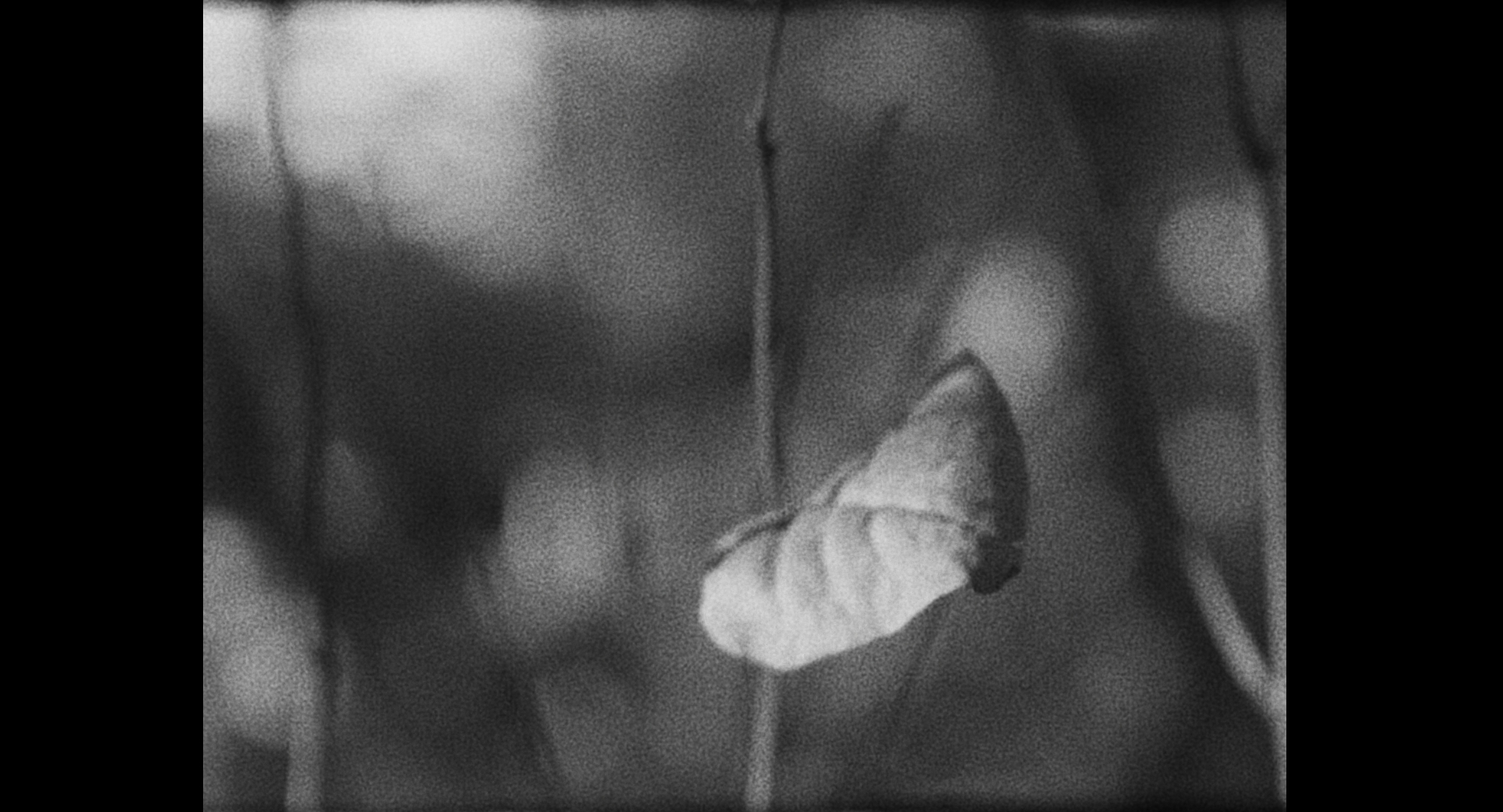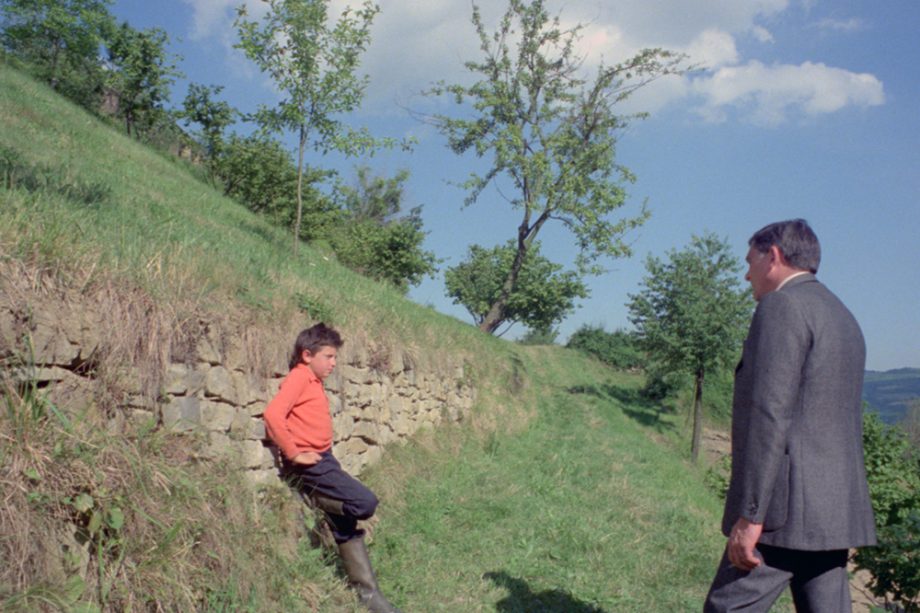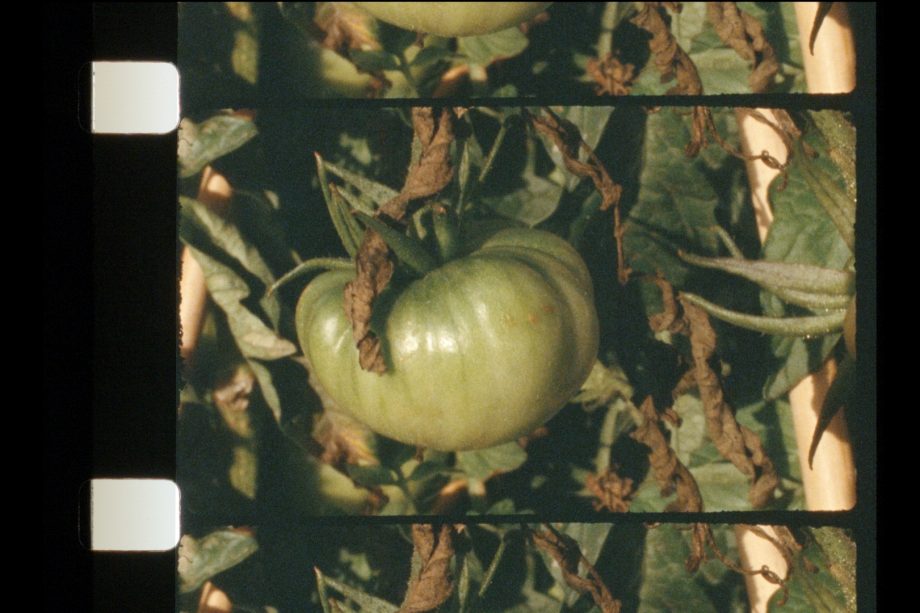
The Address Book
16mm, 6 min 15 sec, 2026
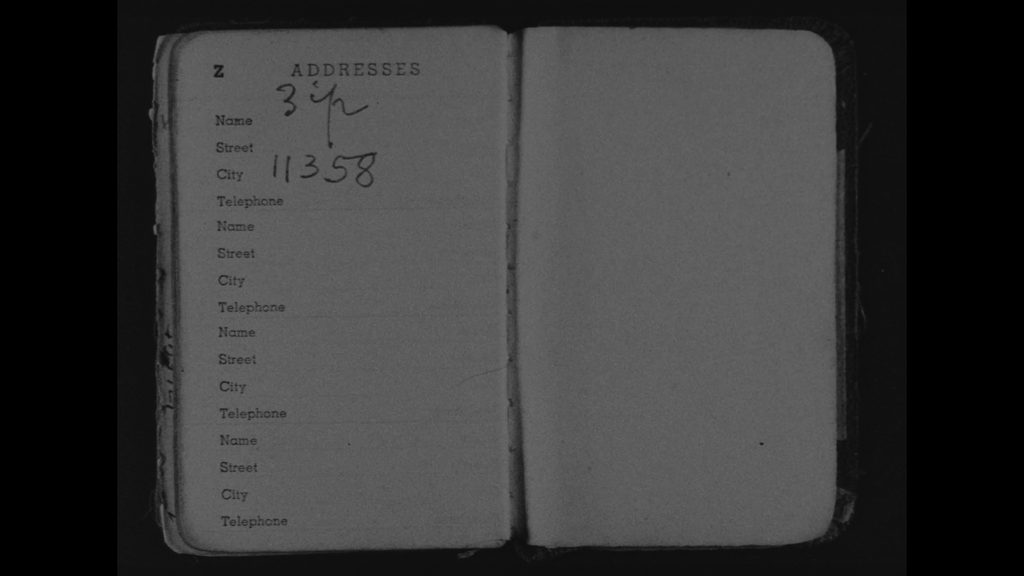
Joseph Cornell was a collector of potential. His boxes gather objects that never quite touch—a clay pipe, a hotel receipt, a photograph of a ballerina—held together in quiet proximity without ever completing a circuit. The address book is structurally similar to a Cornell box. It is a collection of names that never called each other, a constellation of possible connections suspended in waiting. Each entry marks an unrealized contact, a small record of someone Cornell wished to keep near. In this sense the address book becomes a map of a social world that existed largely as intention.
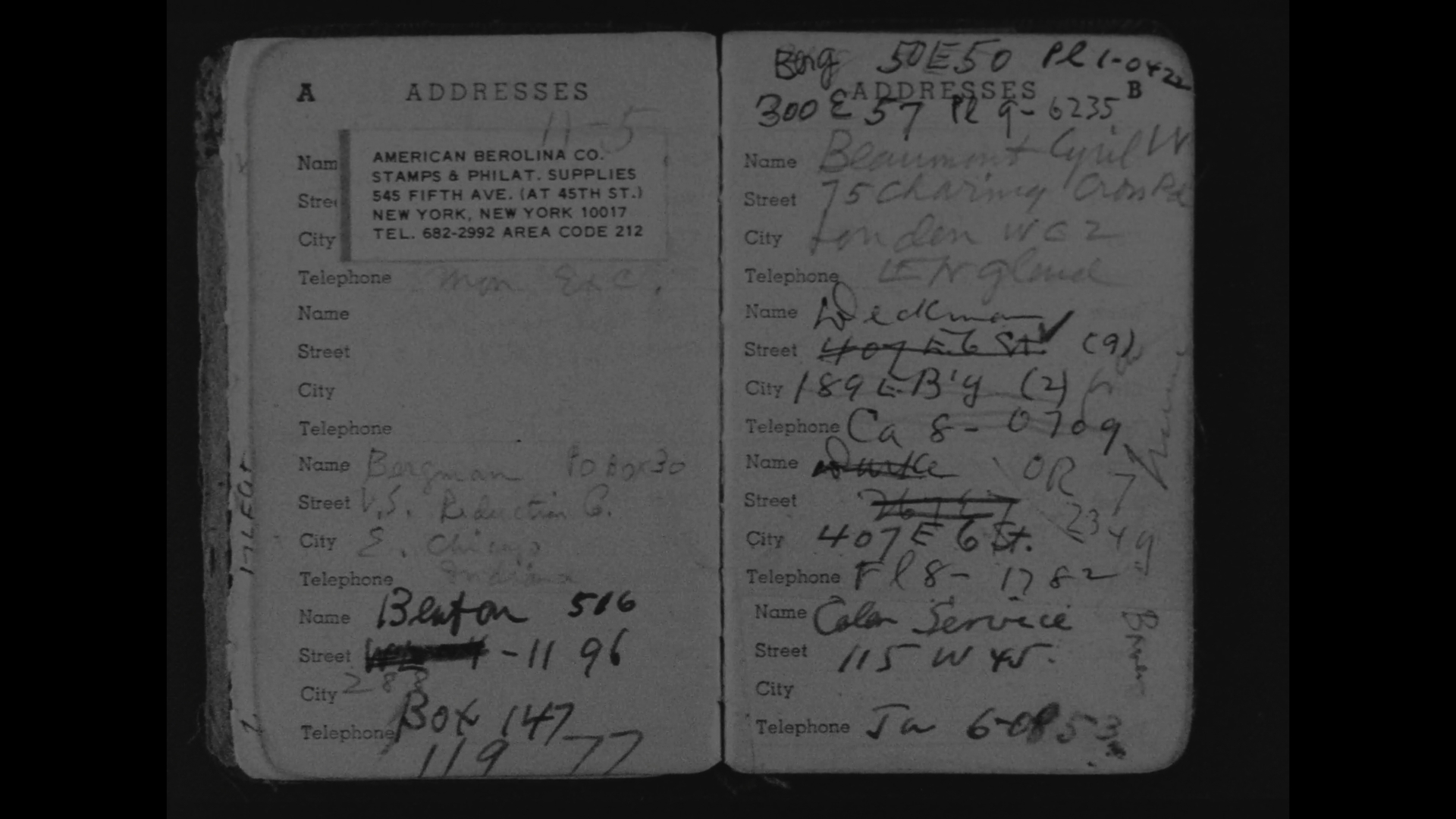
Cornell lived most of his life in seclusion at Utopia Parkway in Queens, sharing a modest home with his mother and disabled brother. Much of his social world unfolded through letters, images, and distant admiration rather than direct encounter. The address book reflects that condition: an infrastructure of connection that may never have been fully used. This film approaches the book as both archive and portrait.
Methods Statement
The Address Book begins with low-resolution JPEG reproductions of Joseph Cornell’s address book, encountered through the Smithsonian archives. The images were assembled and re-timed on a digital editing timeline, transforming the spatial experience of turning pages into a sequence of cinematic intervals. This digital sequence was subsequently rephotographed onto black-and-white 16mm film in the laboratory, introducing a new layer of photochemical inscription without attempting to recover the original object’s materiality.
The film explores the uncertain temporality of reading. Empty pages alternate with handwritten names and addresses, some familiar enough to offer fleeting moments of recognition. Yet the viewer remains suspended between having too little time to decipher a page and more time than reading seems to require. Through repetition, duration, and seriality, the address book gradually becomes less a repository of information than an experience of encountering an archival object.
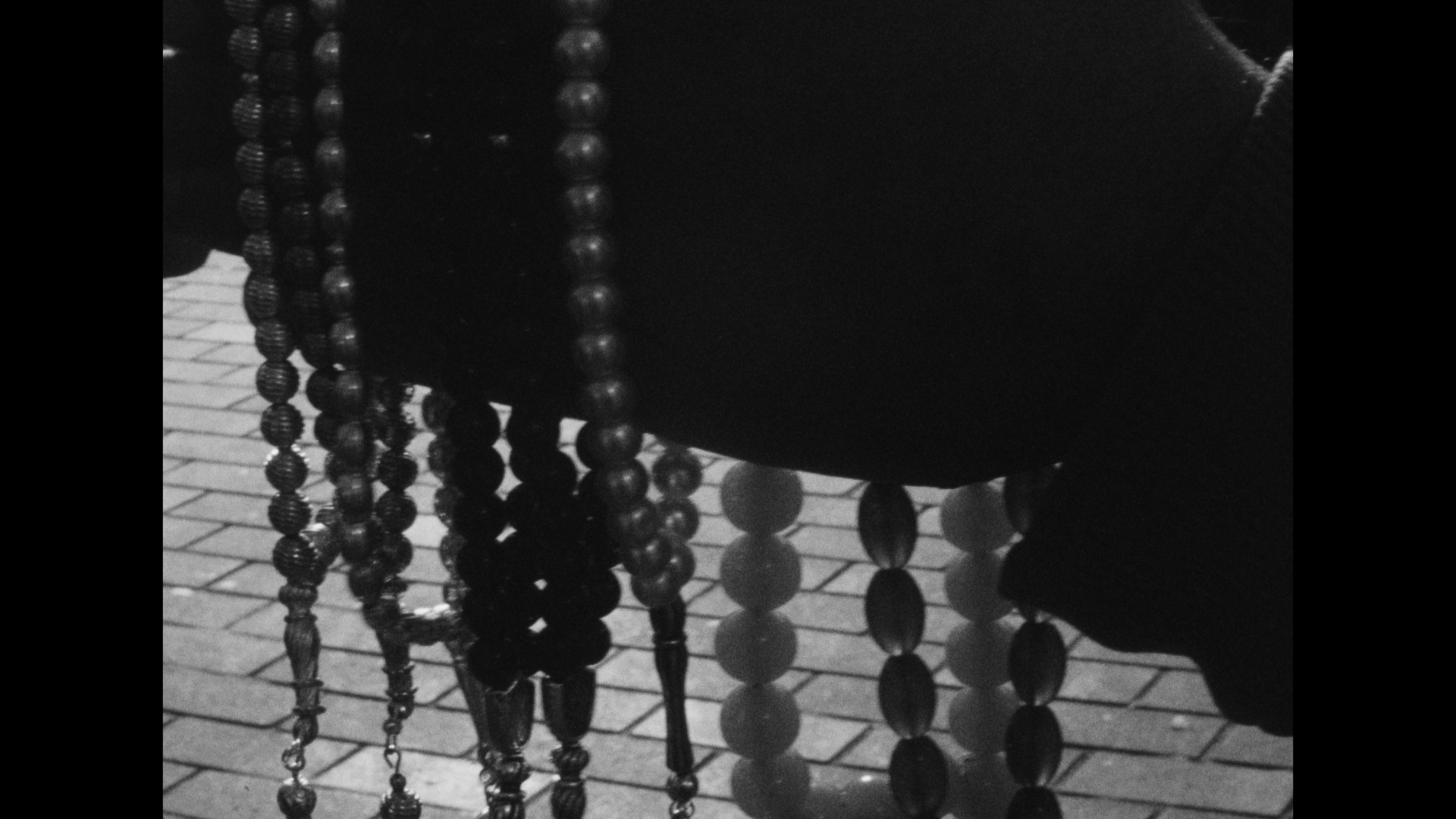
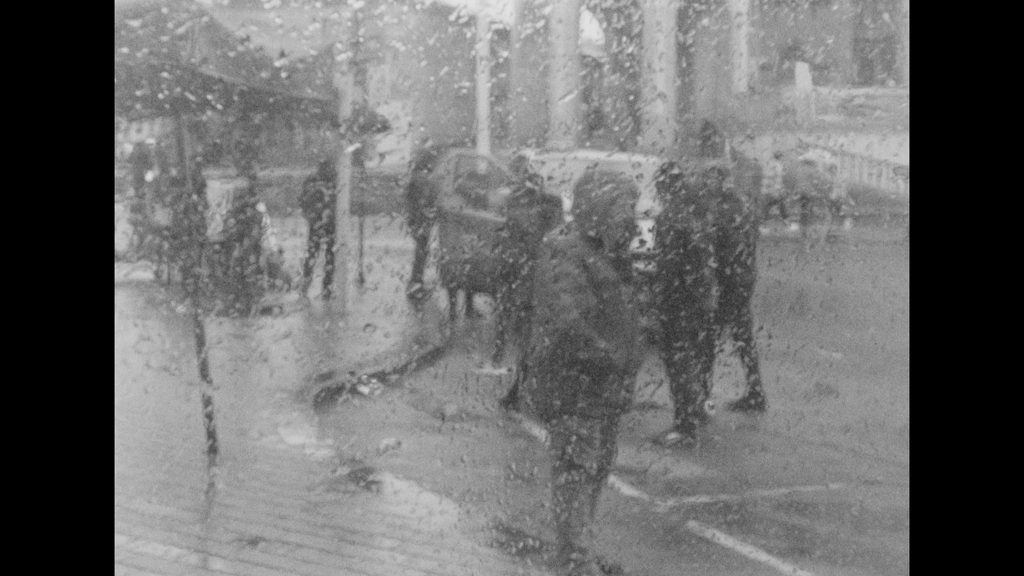
Field recordings, largely unrelated to the book’s provenance, introduce an associative, Cornellian method of juxtaposition. Rather than illustrating the images, these sounds invite imagined connections between otherwise unrelated materials, allowing meaning to emerge through coincidence and proximity.
The work also raises questions of authorship. Cornell assembled the original book; the Smithsonian mediated its archival reproduction; and the filmmaker reorganized its images through duration, sound, and photochemical transformation. The Address Book inhabits the space between these gestures, asking whether what we encounter is Cornell’s object or another person’s experience of reading it.